

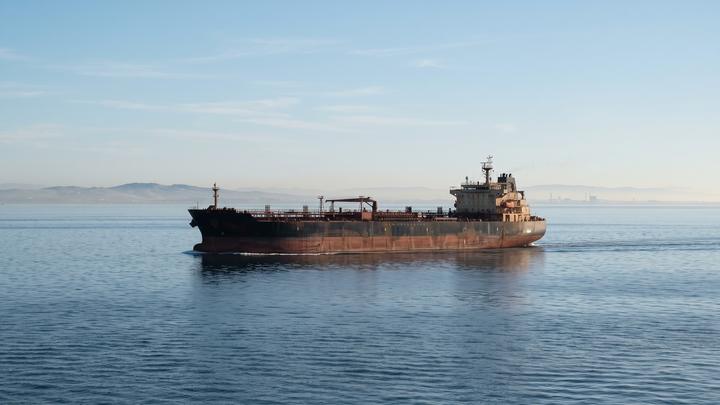
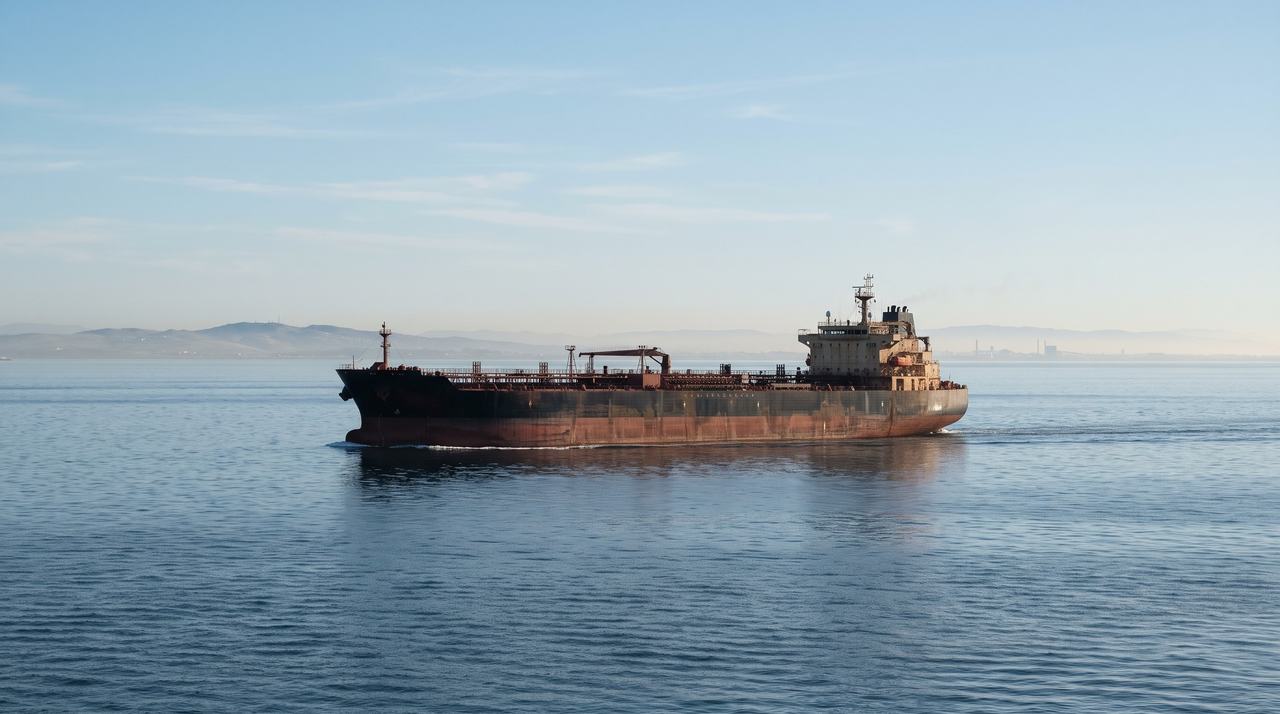
Shipping risk through the Strait of Hormuz remains elevated after Iran’s Islamic Revolutionary Guard Corps (IRGC) said on Monday that two more oil tankers exploded and caught fire after hitting naval mines. OilPrice.com reported that the vessels were attempting to transit a southern route that Iran has not authorized. The IRGC Navy said six tankers in total caught fire and sank on Sunday and Monday, and that pollution from the explosions had spread across coastal areas and waters of the strait.
According to a statement carried by Iran’s Mehr news agency, the IRGC Navy said the two tankers had tried to pass under the guidance of U.S. officers and with support from U.S. military fighter jets. It described the incidents as punitive measures in response to what it called an illegal U.S. blockade, and it warned tanker and oil firm owners that the U.S.-backed southern passage had been mined. OilPrice.com noted that Iran has reported nearly daily incidents of this kind for several days, and that the details come from IRGC statements.
Iran’s top negotiator, Parliament Speaker Mohammad Bagher Ghalibaf, told Al Jazeera last week that navigation in the strait would not return to pre-war conditions. He said the 1982 UN Convention on the Law of the Sea does not apply there. Earlier coverage of Iran’s terms for Hormuz reopening and of tanker attacks and market reaction is available on this site.
Guardian Energy Partners delivers weekly industry insights to keep you informed about the oil and gas sector. Stay connected by following us on social media, and contact us to speak with a representative to explore current investment opportunities. To learn the basics, read how direct ownership in oil and gas wells works and who can invest with Guardian.
Disclaimer: The summary above is based on news from an external source and provided for educational purposes only. It does not constitute investment, financial, tax, or legal advice, nor a recommendation to buy or sell any securities. Market conditions and regulations change frequently, so we strongly encourage you to consult qualified professionals before making any decisions. Neither the publisher nor its affiliates accept liability for losses or damages arising from reliance on this information.