







Oil Investing Benefits
Guardian Energy Partners helps accredited investors strengthen their portfolios and reduce their tax burden through ownership of oil and gas wells.
In brief
Oil and gas investing with Guardian Energy Partners means direct working-interest participation in oil and gas wells. When the wells produce, owners can receive a share of the monthly revenue. Owners may also qualify for tax deductions that most other investments do not allow. All oil and gas investments carry risk, and the offerings are open to accredited investors only.
How direct ownership works
A working interest is direct ownership in a well, not a passive royalty. Your share of the revenue is called your net revenue interest: your share after royalties are paid. Operating costs are then charged against your working interest.
Each program’s structure is set out in its offering documents. In a limited partnership, investors participate as limited partners and the general partner manages operations and reporting. Guardian’s programs use a proprietary legal structure that limits personal liability, so your exposure is capped at your committed capital.
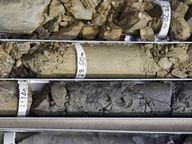
Before Guardian commits capital, it checks whether the geology supports the investment, using modern 3D seismic, offset production and well logs. Every prospect is thoroughly vetted by a team of industry experts before it is offered to partners. Five principles guide how Guardian selects programs and works with the investors who join them.
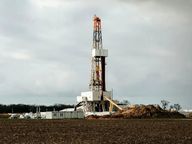
Each well in a program follows the same sequence. The location is permitted and staked, the site is prepared, and the well is drilled and logged for evaluation. It is then completed, equipped and produced. The first sale marks the start of ongoing monthly revenue. Investors receive drilling reports during operations and monthly production and distribution reporting after that.

Why accredited investors look at oil and gas
Monthly income
Producing oil and gas wells can provide monthly income without taking time away from your own business. Guardian Energy Partners manages the investment so you can stay focused on your work.
Distributions are targeted to begin once the first well is in production.
Tax deductions
Oil and gas investments qualify for tax deductions that most other asset classes do not, including intangible drilling costs and the depletion allowance. These deductions can lower your tax burden while the investment produces monthly income.
For qualifying working-interest investors, these deductions may offset active income, not just passive gains. See how intangible drilling costs, tangible drilling costs and depletion work for the details.
Tax treatment depends on each investor’s circumstances and current law. Review the offering documents and consult your own tax advisor before investing.
- Intangible drilling costs About 80% Generally deductible in the year of investment
- Tangible drilling costs About 20% Under current law, may be fully deducted in the year the equipment is placed in service
Diversification
Oil and gas gives you exposure to an asset class that does not track the stock market. Adding energy assets can strengthen a portfolio that depends heavily on one market.
A guided process
Our team handles the ownership assignments and your revenue distributions.
Partners get drilling reports during operations, then monthly production and distribution reports.
Understanding the risks
Important: Oil and gas investments involve substantial risk, including the possible loss of principal. Prospective investors should rely solely on the offering documents.
Drilling results, production, commodity prices, operating costs and the timing of distributions are all uncertain, and actual results may differ materially from any estimate. Past performance is not indicative of future results.
There is no public market for these securities, and none is expected to develop. Interests may be transferred or resold only as the offering documents and securities laws allow.
Guardian works to reduce risk by developing proven areas, working with established operators and using modern drilling technology. Prospects offset established production, and 3D seismic validation and reprocessing are used where available. Full risk factors are disclosed in the offering documents.

Who can invest
Guardian’s offerings are private offerings under SEC Regulation D, open only to accredited investors and documented by a private placement memorandum. Securities are offered only to verified accredited investors, and only through the Prospectus.
When you request the Prospectus, you confirm that you had individual income over $200,000 (or joint income with your spouse over $300,000) in each of the past two years and reasonably expect the same this year, or that you have an individual net worth over $1,000,000. Guardian verifies accredited status before it sends the Prospectus.
How to get started
The first step is to request our investing prospectus. A representative will be in touch to discuss your accredited status, walk you through the ownership structure in plain English and give you an overview of the tax treatment, including the depletion allowance.
- Request the prospectus Fill out the form below to request the confidential offering documents.
- Confirm your accredited status Speak with the Guardian Energy Partners team to confirm you are an accredited investor who qualifies for the offering.
- Review and decide Review the private placement memorandum and subscription agreement, then decide whether to invest and how much.
Invest in Oil & Gas
Request our 2026 Investing Prospectus
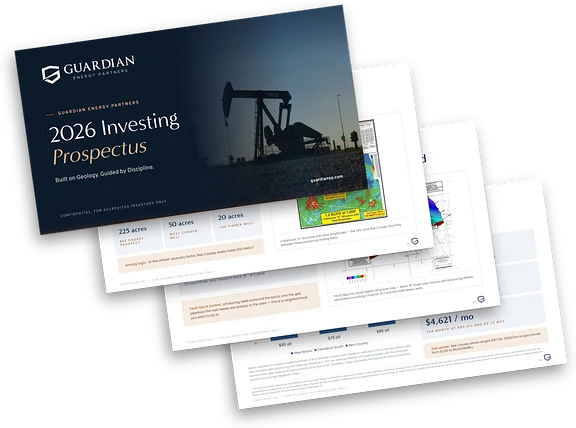
A representative will be in touch to discuss:
- Ownership structure walked through in plain English
- Tax-treatment overview, including depletion allowance
- Qualification process for verified accredited investors
Contact us for a free consultation and prospectus
Fill out the form below and a representative will be in touch to discuss your accredited status.
Once qualified, we send our 2026 Investing Prospectus.
Securities offered only to verified accredited investors, and only through the Prospectus. Past performance is not indicative of future results. Investing involves risk, including possible loss of principal.