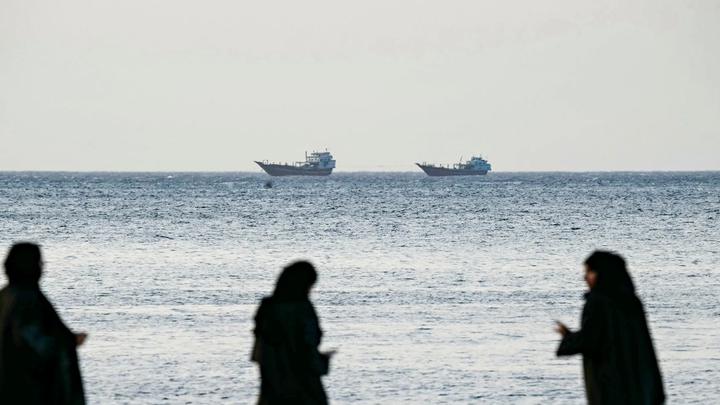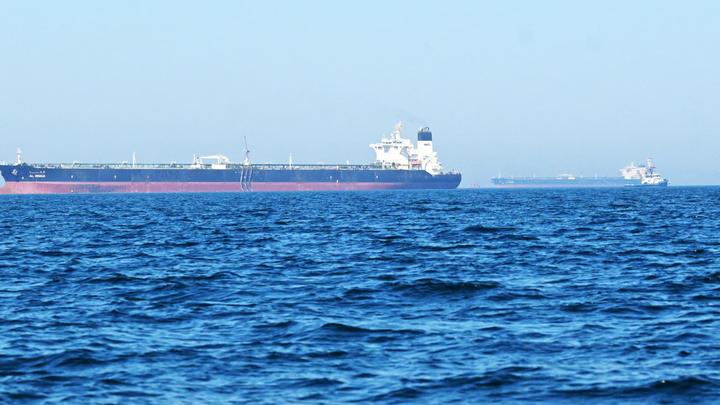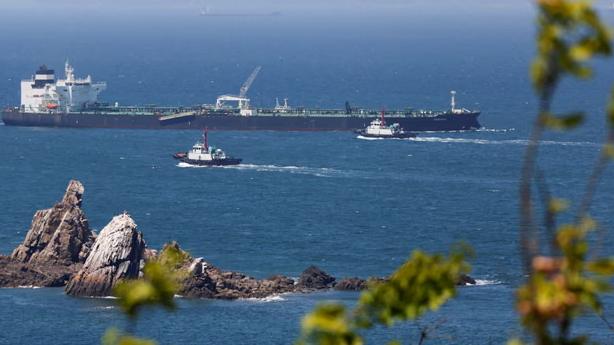




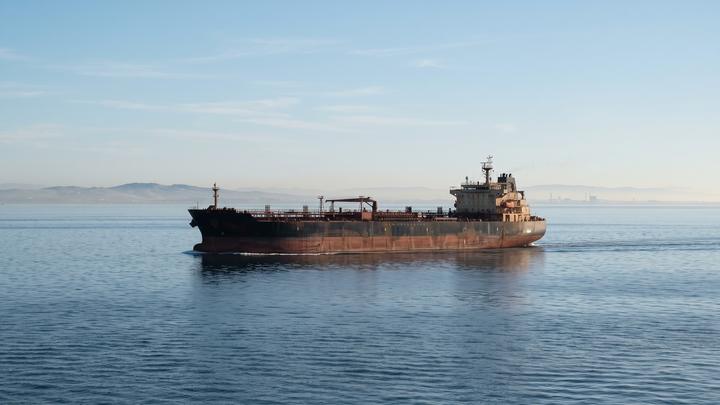


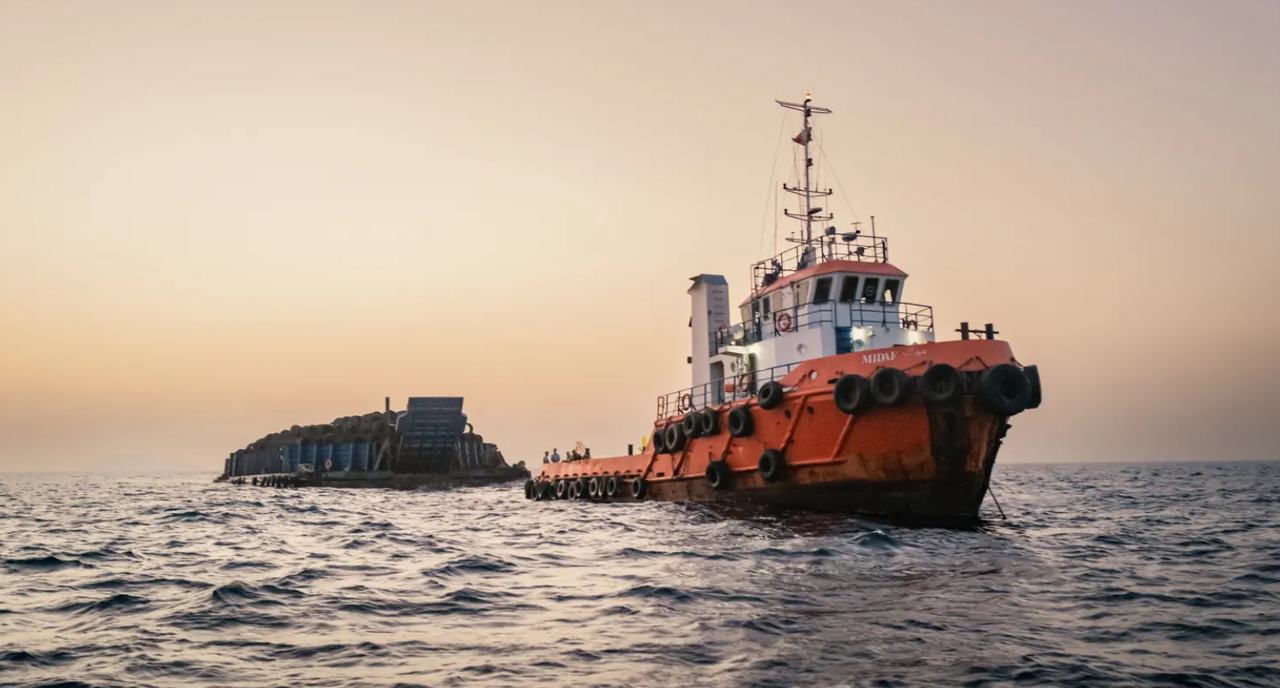
Shipping activity through the Strait of Hormuz slowed over the weekend after Iran said the key waterway was closed again, according to CNBC. The report said maritime data showed fewer vessels moving through the route, while U.S. officials indicated commercial traffic was still continuing. The strait remains one of the world’s most important energy corridors, making any change in vessel flow closely watched by oil traders, refiners, shipping firms, and insurers.
The development comes as markets continue to track U.S.-Iran diplomacy, regional security conditions, and the broader impact on global energy supply. For investors following oil and gas supply normalization and recent oil price outlook updates, the latest Hormuz activity highlights how shipping access, route reliability, and geopolitical developments can influence price expectations. Even when vessels continue to move, changes in traffic levels can affect market sentiment and keep attention on supply routes tied to crude oil and LNG flows.
Guardian Energy Partners delivers weekly industry insights to keep you informed about the oil and gas sector. Stay connected by following us on social media, and contact us to speak with a representative to explore current investment opportunities. To learn the basics, read how direct ownership in oil and gas wells works and who can invest with Guardian.
Disclaimer: The summary above is based on news from an external source and provided for educational purposes only. It does not constitute investment, financial, tax, or legal advice, nor a recommendation to buy or sell any securities. Market conditions and regulations change frequently, so we strongly encourage you to consult qualified professionals before making any decisions. Neither the publisher nor its affiliates accept liability for losses or damages arising from reliance on this information.